
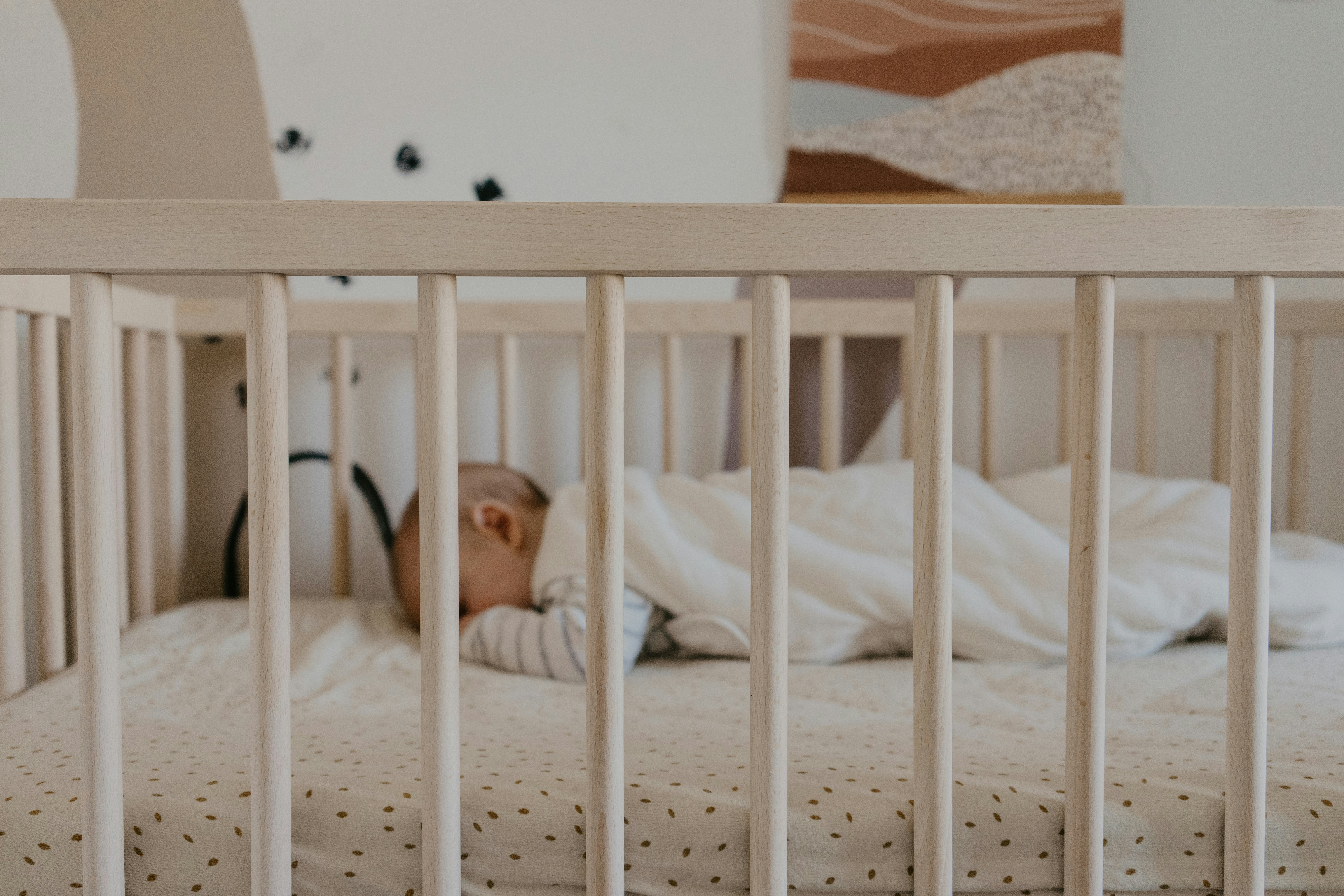
If you’ve reached the four-month mark and your once-decent sleeper suddenly forgets how to nap or stay asleep at night, welcome to the club. The 4-month sleep regression is real, it’s temporary, and it will pass even though it feels endless at 2 a.m.
What’s Really Happening
Around 3½ to 5 months, babies go through a major developmental shift in how they sleep. Their sleep cycles start to look more like ours: lighter, shorter, and with full wake-ups between cycles. Before this, they drifted from deep sleep to deep sleep. Now, they’re waking every 30-50 minutes and need help linking those cycles together.
It’s normal. It’s growth. But it can feel brutal.
Signs You’re in It
- Frequent night wakings
- Short 20-30 minute naps
- Early-morning wake-ups
- More fussiness before bed
- Suddenly fighting naps that used to be easy
For us, it hit right after three months. She had been sleeping 10 p.m. to 6 a.m. straight, and then out of nowhere started waking at 3 a.m., 4 a.m., 5 a.m. — basically every hour until her normal wake time. Her long 1½-hour naps disappeared, replaced by 30-minute catnaps that almost always turned into contact naps or rocking sessions to get her back down.
What Helped Us
1. Keeping a Predictable Routine
Even when the timing shifted, we kept the same order: diaper, feed, play, nap. Babies crave rhythm, especially during big leaps. Having that structure helped her settle faster once she was tired again.
2. Watching Wake Windows, Not the Clock
At this age, wake windows stretched to about 75-90 minutes. If we missed her sleepy cues: zoning out, slower movements, soft fussing, she would hit overtired territory fast. Staying flexible and responsive made a big difference.
3. Creating the Right Sleep Environment
We kept the same setup that had worked before: red lighting from Philips Hue A19 LED Smart Light Bulb - White and Color Ambiance , 10 hours of ocean waves on Spotify through our mini JBL Go 3 Portable Mini Bluetooth Speaker , and her KYTE BABY Unisex Rayon Sleeping Bag for Babies and Toddlers, 1.0 Tog for comfort and safety. Keeping the environment identical helped signal that it was time to sleep, even when her rhythm was off.
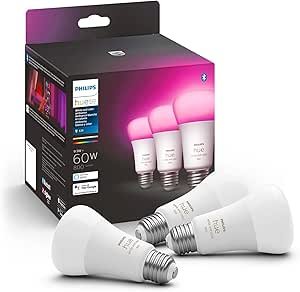
Philips Hue A19 LED Smart Light Bulb - White and Color Ambiance
- White and color ambiance
- App controlled
- Works with Alexa & Google
- 3-pack
Perfect for creating red lighting that doesn't disrupt melatonin production. We use these for all nighttime sleep and diaper changes.

JBL Go 3 Portable Mini Bluetooth Speaker
- Portable mini speaker
- 5 hours playtime
- IP67 waterproof
- Bluetooth connection
Small but powerful for white noise. We stream ocean waves from Spotify all night long. Battery lasts through the night and it's easy to move from room to room.

KYTE BABY Unisex Rayon Sleeping Bag for Babies and Toddlers, 1.0 Tog
- Buttery soft rayon fabric
- 1.0 TOG year-round use
- Arms-free design
Once we transitioned out of swaddles, this became our go-to. Soft, safe, and keeps her at the right temperature all night.
4. Helping Her Re-Settle
When she woke mid-nap, I tried giving her a few minutes before stepping in. Sometimes she’d fall back asleep on her own, sometimes she needed gentle rocking or a quick shush. The goal was to help her learn to connect those sleep cycles gradually.
5. Prioritizing Daytime Feeds
We made sure she was getting full feeds during the day so those early-morning wake-ups weren’t from hunger. Since she has reflux, that still meant 20 minutes upright after each feed, which helped a lot with comfort.
What Didn’t Help
Trying to “fix” it overnight. No schedule hack can outsmart a developmental leap. The regression isn’t bad sleep habits — it’s biology. The best thing we did was lower expectations, drink the coffee, and remind ourselves it was temporary.
When It Ended
Things started to level out after about two to three weeks. Naps slowly stretched back out, and she went back to waking just once a night for a quick feed around 2 a.m. It wasn’t a perfect transition, but it felt manageable again.
My Take
The 4-month sleep regression tested every bit of patience I had. But it also reminded me how much babies change in such a short time. Their brains are developing, their bodies are learning new rhythms, and sometimes that means no one sleeps.
If you’re in it, know that it’s normal. Stick to your routine, keep the sleep environment calm, and grab rest wherever you can. It won’t last forever and that first long stretch of sleep afterward feels like winning the lottery.