If your baby just started daycare and immediately sounds like a tiny, adorable pug… welcome to the club.
Within one week of starting daycare, our baby caught her very first cold. Congestion, snorting, coughing, restless sleep, shorter bottles—the whole starter pack. I knew intellectually that daycare meant germs. I did not realize how fast it would happen, how intense it would feel, or how helpless I’d feel watching my baby struggle to breathe comfortably.
So if you’re here because you googled:
- “Baby congested after starting daycare”
- “Is it normal for baby to get sick first week of daycare?”
- “How to help baby with congestion”
- “Daycare cold baby not eating”
You’re in the right place.
This is what happened, what helped, and what I wish someone had told me.
Yes, It’s Normal for Babies to Get Sick Right Away
Pediatricians will tell you this, but it hits different when it’s your baby:
Most babies get sick within the first 1–2 weeks of starting daycare. Their immune systems are meeting an entire new ecosystem of germs—shared toys, new caregivers, other babies who are also adjusting.
It doesn’t mean your daycare is dirty.
It doesn’t mean your baby is fragile.
It means their immune system is learning.
Still… knowing that doesn’t make the 3 a.m. congestion sounds any less stressful.
What It Looked Like for Us
Our baby didn’t spike a scary fever. She just:
- Sounded super congested (especially at night)
- Started taking shorter bottles
- Got distracted easily while feeding
- Had more frequent poops
- Slept more lightly
- Had that “wet” chest sound that makes your heart drop
We took her to the pediatrician. Lungs were clear. No RSV. No flu. Just a classic daycare cold. But that didn’t mean we did nothing.
What Actually Helped
These are the things that made the biggest difference for us:
1. Saline + Gentle Suction (Before Feeds)
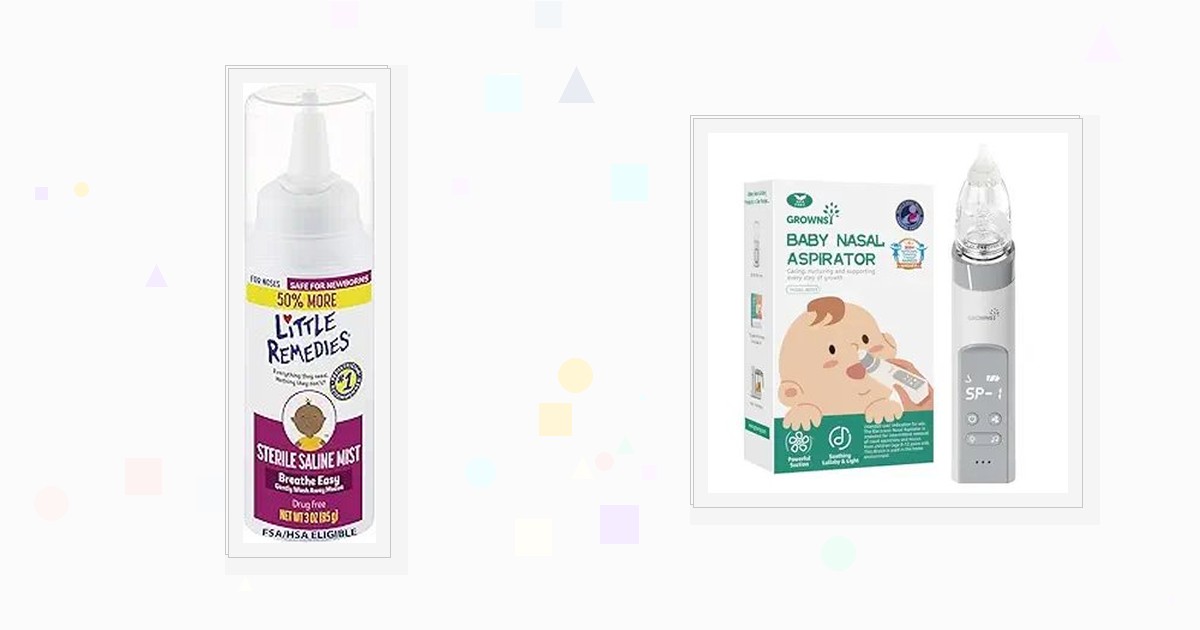
We used Little Remedies Sterile Baby Saline Nasal Mist followed by the GROWNSY Nasal Aspirator for Baby before bottles—especially the first morning feed and the bedtime feed.
It helped her breathe more easily while eating, which meant she could finish bottles again.
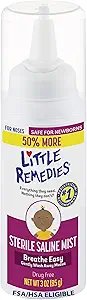
Little Remedies Sterile Baby Saline Nasal Mist
- Sterile saline mist
- Safe for newborns
- Relieves stuffy noses
Pros: Gentle, easy to use, loosens mucus before suction. Cons: Goes through bottles fast when baby is sick. Best for: Prepping congested noses before feeds.
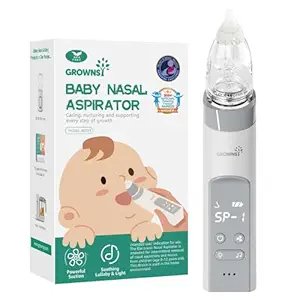
GROWNSY Nasal Aspirator for Baby
- Electric suction
- Music and light soothing
- Easy to clean
Pros: Powerful suction, calming music distracts baby, way easier than bulb aspirators. Cons: Needs charging. Best for: Clearing congestion so baby can eat and sleep.
We also picked up the Frida Baby NoseFrida Saline Mist Nasal Inhaler —it comes with a little mask and is designed for deeper congestion relief. We haven’t used it a ton yet, but it’s nice to have on hand for when things get really stuffy.
Pro tip: Don’t overdo suction. Once per feed is plenty.
2. Warm Bottles Instead of Cold
Our baby usually takes cold bottles—but when she was congested, warm milk helped.
Warmth loosened mucus and made feeds more comfortable. It was a small shift with a big impact.
3. Smaller, More Frequent Feeds
Instead of pushing one big bottle, we:
- Let her take what she wanted
- Paused
- Offered the rest 20–30 minutes later
Congestion makes feeding work. Breaking bottles up reduced pressure and helped her hit her daily intake.
4. Humidifier in Her Room
We ran a cool-mist humidifier during sleep.
Night congestion is the worst. Moist air kept her nasal passages from drying out and reduced noisy breathing.
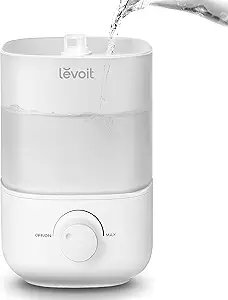
LEVOIT Cool Mist Humidifier
- Top-fill design
- Ultra quiet 28dB
- Auto shut-off
- 25 hour runtime
Pros: Whisper quiet, easy to clean, runs all night. Cons: Needs regular refills for large rooms. Best for: Keeping nursery air moist during colds and dry seasons.
5. Extra Upright Time
We held her upright after feeds and during play. Gravity helps drainage. It also made her more comfortable.
How Long Does This Phase Last?
Most pediatricians say the first 6–12 months of daycare come with frequent colds. Not constant illness but regular sniffles. It gets better. The immune system adapts. The viruses become familiar. The panic lessens. This first one feels like the worst because it’s new.
What I Wish I Knew
- Congestion alone is not an emergency
- Babies can sound worse than they are
- Feeding struggles during a cold are normal
- You’re not doing anything wrong
- This is not a sign daycare was a mistake
It’s just the beginning of your baby building immunity.
And you? You’re learning how to care for them through it.
That counts, too.
If you’re in this stage right now: you’re not behind, you’re not failing, and you’re not alone.
You’re just in your baby’s first “welcome to the world” moment.
And you’re doing great.