
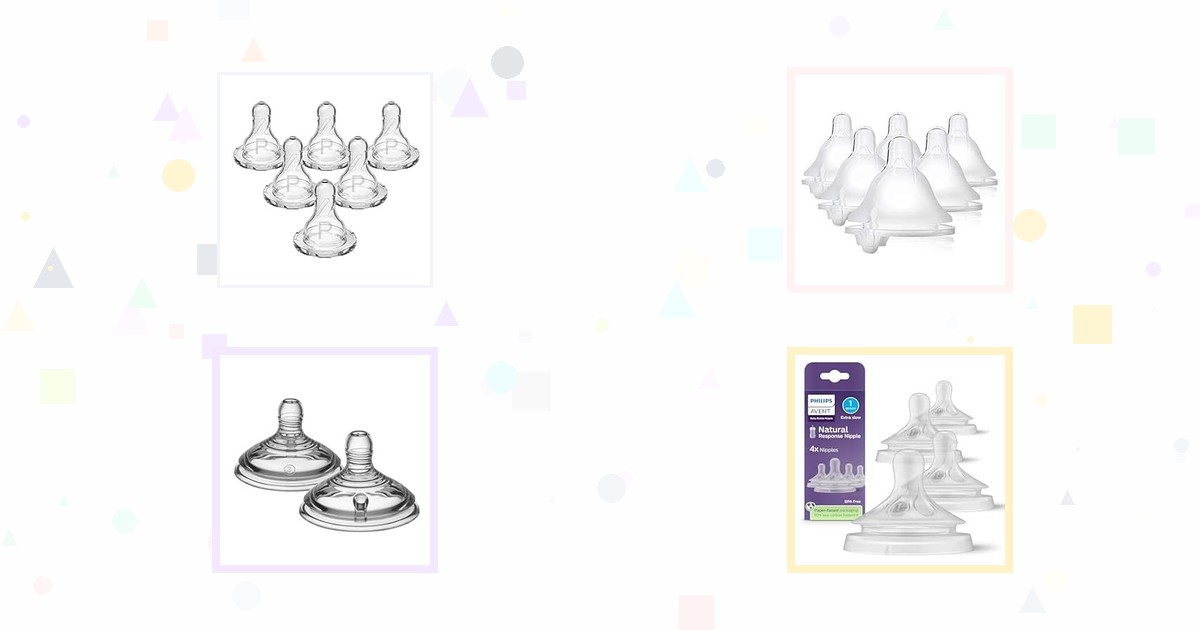
I wish someone had explained pace feeding to me before we were deep in reflux, gas, and those frantic early feeds. This guide walks through what pacing is, how to do it, and the small changes that make the biggest difference.
What Is Pace Feeding?
Pace feeding is a bottle feeding method designed to mimic the rhythm of breastfeeding. When babies nurse, the flow starts slow. They pause naturally, swallow, breathe, and decide the pace. Bottles work differently because gravity can create a fast, nonstop flow.
Pace feeding slows everything down so your baby stays comfortable instead of overwhelmed.
Why Pace Feeding Matters
Parents, feeding therapists, and a whole lot of Reddit threads agree pacing can help with:
Less gas and tummy discomfort Slower flow means less gulping and less air.
Better self-regulation Your baby controls the pace, not the bottle.
Reduced reflux symptoms A calmer flow helps prevent that sharp spit-up cycle.
Avoiding overfeeding Babies stop when they feel full instead of being pushed to “finish the bottle.”
Better transitions between breast and bottle The rhythm feels closer to nursing.
How to Pace Feed: Simple Steps
Here’s a beginner-friendly walkthrough.
1. Use a slow flow nipple
A true slow flow keeps milk from pouring into their mouth. Great options are:
Best Slow Flow Nipples for Pace Feeding
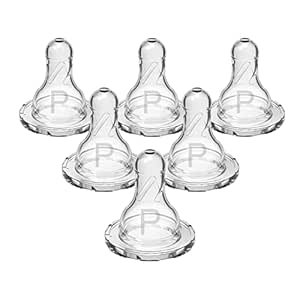
Dr. Brown's Natural Flow Preemie Nipple
True preemie flow for the slowest feed
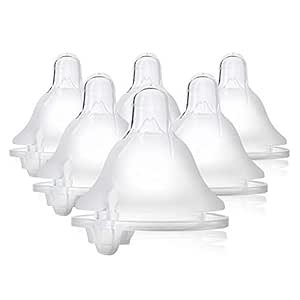
Evenflo Balance Plus Wide Neck Nipples
Great for wide neck bottles
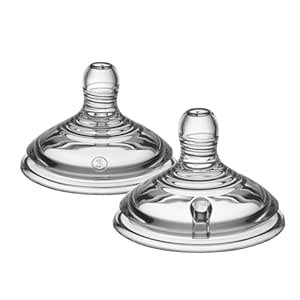
Tommee Tippee Natural Start Slow Flow Nipples
Breast-like shape with anti-colic valve
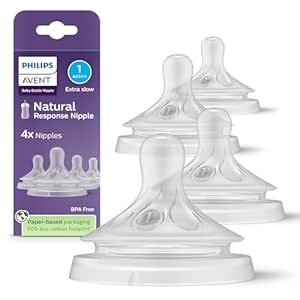
Philips Avent Natural Response Nipples (Extra Slow Flow)
Nothing comes out unless baby actively sucks
My personal favorite is the Philips Avent Natural Response. This one is incredible because you can tip the bottle completely upside down and nothing comes out unless the baby is actively sucking. It’s the closest thing to a breast-like flow that I’ve seen in a bottle.
2. Keep baby upright
Hold your baby at a slight incline so the milk doesn’t shoot to the back of their throat.
3. Hold the bottle horizontally
You want the milk to just fill the nipple tip. Let your baby control the suction instead of gravity doing the work.
4. Let baby draw the milk in
Touch the nipple to their lips and wait for them to open. They should latch onto the nipple the same way they would at the breast.
5. Build in breaks
Every couple minutes, tip the bottle down so the nipple empties. This gives baby time to breathe, swallow, and reset.
6. Switch sides
Helps neck strength, eye tracking, and mimics breastfeeding.
7. Stop at cues
Turning their head, slowing their suck, pushing the nipple out, or getting wiggly means they’re done.
What We Saw When Pacing Started Working
Our girl struggled with reflux, so pacing became part of every single feed. Right away we saw:
- Calmer feeds
- Less spit-up
- Fewer arches
- More controlled swallowing
- Smoother transitions between breast milk in a bottle and the breast
- Fewer gas bubbles
We also committed to 20 minutes upright after every feed which helped a ton.
Common Pace Feeding Mistakes
A few things can get in the way:
Holding the bottle straight up This creates a strong gravity flow.
Fast nipples If milk drips out when you tip the bottle, it’s too fast.
Feeding baby fully reclined Creates gulping and choking.
Rushing through feeds Babies need pauses.
Encouraging them to finish the bottle With pacing, baby leads.
These are easy adjustments once you know what to look for.
Signs Pace Feeding Is Working
Most parents see:
- Less gas
- Calmer babies
- More predictable feed lengths
- Easier burps
- Less spit-up
- Clear hunger and fullness cues
The rhythm becomes smoother within a few days.
My Take
Pace feeding was one of the simplest changes with the biggest impact. It made feeds calmer for both of us and helped us understand her cues so much better. Even if you only bottle feed here and there, slowing things down takes so much pressure off you and your baby.