
We thought we had more time, but at her 4 month appointment our pediatrician told us she was ready to start purees. I remember thinking, “Already?” She had good head control and real interest in watching us eat, but I still assumed we would start closer to 6 months.
Once we got the green light, we decided to keep it slow, simple, and very relaxed.
How We Got Started
Our pediatrician recommended offering purees twice a day, once in the morning and once in the evening, but milk remained the priority. We built purees around her normal bottle routine so she never replaced a feeding.
Our routine looked like this:
- Diaper change
- Bottle
- Upright for 20 minutes
- Playtime for 20 to 30 minutes
- A few spoonfuls of puree
- Upright for another 10 minutes because of her reflux
Adding that little upright window after purees helped her digestion and kept her comfortable.
We usually offered 3 to 5 tiny baby spoons because she gave clear cues she wanted more. Most people start with one to two teaspoons, but we always followed her lead.
Why We Started With Vegetables
We chose vegetables first because they are mild, simple, and not overly sweet. The idea is to introduce earthy flavors before sweeter fruits, and it really helped her learn to accept new tastes.
Our first purees were:
- Sweet potato
- Butternut squash
- Pumpkin
We also introduced carrot, and this one was a funny journey. She hated carrot the first time. Full dramatic face, immediate rejection. But by the fourth time, she loved it and opened her mouth asking for more. That taught me not to give up on a food too quickly.
Once she handled the vegetables well, we added gentle fruits like:
- Pear
- Apple
- Banana
Still no mixes or combos yet. One food at a time so we could watch for reactions.
The Brand We Chose
We went with Beech-Nut, and here is why:
- They have the most single ingredient options
- Clean, simple ingredients
- No fillers
- And everything comes in glass jars
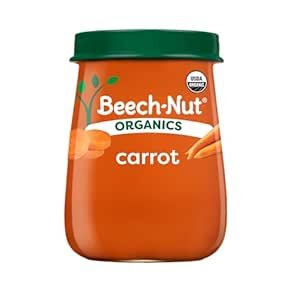
Beech-Nut Organics Stage 1 Carrots
- Single ingredient
- Glass jars
- No fillers
- Stage 1 options
Pros: Clean ingredients, easy to see texture, recyclable jars. Cons: Slightly pricier than pouches. Best for: Parents who want simple, transparent first foods.
The glass jars are a big reason we chose them. They feel cleaner and safer, and I like being able to see the texture right away.
How Much We Fed Her
At this age, one to two teaspoons is all babies need. It is about exposure, texture, and play, not replacing calories.
Even though we offered 3 to 5 baby spoons some days, we always followed her cues. If she leaned forward, opened her mouth, or reached for the spoon, we kept going. If she turned away, we stopped.
Milk stayed her main source of nutrition.
The Tools We Loved
Our Puree Feeding Essentials
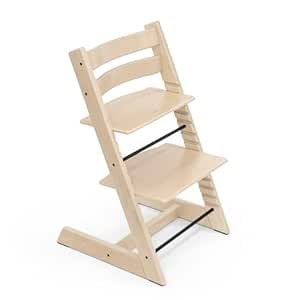
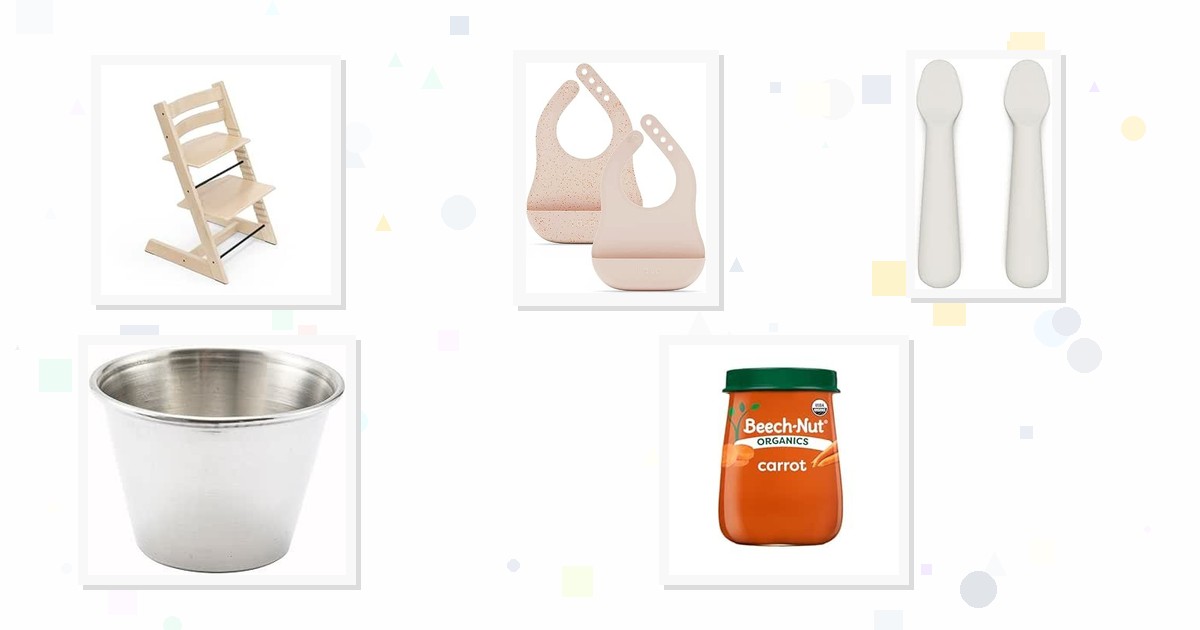
Stokke Tripp Trapp Chair
Supportive sturdy and grows with her
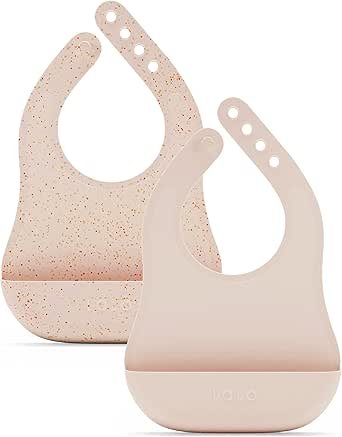
Lalo The Bib Silicone Bib Set
Soft silicone and catches everything
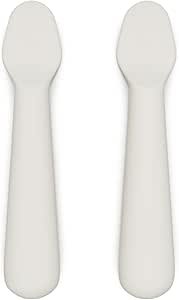
Lalo Little Spoon Set
Small and perfect for tiny mouths
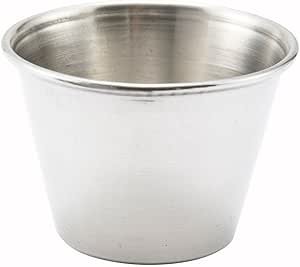
Stainless Steel Sauce Cups (12 Pack)
Keeps the jar clean and reduces waste
Stokke Tripp Trapp Our high chair. Supportive, sturdy, and grows with her.
Lalo Feeding Bib Soft silicone, easy to wipe, and catches everything.
Lalo Baby Spoons Gentle, small, and perfect for tiny mouths.
Stainless Steel Condiment Cups We spoon out a small amount into these so we are not double dipping into the glass jar. Keeps the jar clean and reduces waste.
Warm cloth or water wipes Purees get messy fast and wiping as we go helped a lot.
What Our Sessions Looked Like
We kept each session simple and calm. We always:
- Put her in the Tripp Trapp
- Let her take her time
- Gave her a moment to explore the spoon
- Offered small bites
- Followed her cues
- Held her upright afterward
Some days she took four bites. Some days she took one. Either way counted.
The Fun Part
Purees are messy and dramatic in the best way. She made the funniest expressions trying new foods. Sweet potato got little happy noises. Butternut squash was a quick yes. Pumpkin was interesting. Carrot was a roller coaster from “absolutely not” to “please give me more.”
The best part is that she loves being part of mealtimes. Even on days she barely eats, she smiles and kicks her feet when she sees the spoon.
What I Learned
Starting purees earlier than expected felt intimidating, but it turned into one of the sweetest parts of our day. It reminded me that feeding is supposed to be fun. It is not about perfection. It is about exploration, exposure, and letting her set the pace.
Whether she eats one spoon or five, it still counts. She is learning and trying and discovering something brand new. And that is enough.