

If you’ve ever watched your baby start to roll for the first time, you know the mix of excitement and panic that hits at once. On one hand, it’s a huge milestone. On the other, it usually means it’s time to retire the beloved swaddle and move into a sleep sack.
This transition can feel like a big deal, especially if your baby has been sleeping well swaddled. But with the right timing and a little prep, it’s easier than it seems.
Why You Need to Stop Swaddling Once Baby Rolls
Swaddles are great for newborns because they help them feel secure and reduce the startle reflex. But once your baby starts showing signs of rolling, it becomes a safety issue. Babies need their arms free so they can push up and turn their heads if they roll onto their stomachs during sleep.
Most babies start showing rolling signs between 10 and 16 weeks. For us, it happened early — right around 8 weeks — when she rolled from tummy to back for the first time. That same week, we started the transition to a sleep sack.
Signs It’s Time to Transition
If you’re wondering when to make the switch, here are a few clues that it’s time:
- Your baby is starting to roll or rock side to side during tummy time
- They’re breaking free of the swaddle regularly
- They seem frustrated with having their arms contained
- You’re noticing longer awake periods and more movement in sleep
Even if rolling hasn’t happened yet, it’s smart to transition once your baby is close to that stage. It’s one of those changes that’s better to do early than to wait for an unexpected 2 a.m. surprise.
How We Made the Transition
We tried going cold turkey at first — straight to both arms out — and it was a disaster. She didn’t know what to do with her hands, kept startling herself awake, and none of us slept.
So we took it slower. We started with one arm out for a couple of days to help her adjust, then switched to both arms out during naps but kept one arm swaddled at night. By the end of the week, she was sleeping with both arms out full-time.
The hardest part was that babies don’t know what to do with their hands at first. They’ll rub their faces, flail, and look completely confused. It’s funny and not funny at the same time — you’ll probably be laughing at 10 a.m. and crying about it by 2 a.m. But it passes quickly.
Our Favorite Sleep Sacks
We went through a few before finding what worked best, so here’s my honest rundown of what we tried and loved:

KYTE BABY Unisex Rayon Sleeping Bag for Babies and Toddlers, 1.0 Tog
- Buttery soft rayon fabric
- 1.0 TOG year-round use
- Premium quality and durability
My number one pick. The fabric is high-quality, buttery soft, and holds up beautifully. It's pricey but worth it in my opinion — easily the best overall sleep sack we've used.
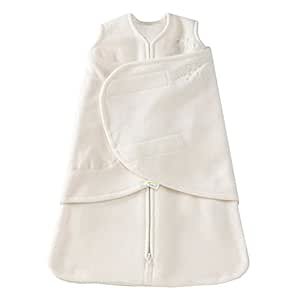
HALO Micro-Fleece Sleepsack Swaddle
- 3-way adjustable design
- One arm in/out option
- Affordable and easy to use
This was our transition sack when we started with one arm out. It's affordable and easy to zip, but we had to switch because it wasn't long enough for our baby.
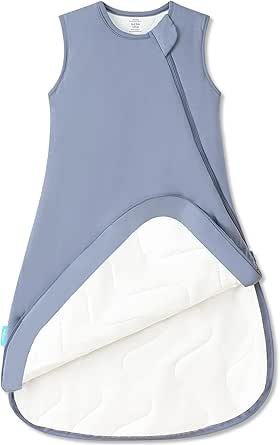
PurComfy Supersoft Sleep Sack 1.0 TOG
- Premium bamboo viscose
- Similar quality to Kyte
- Almost half the price
A great dupe for Kyte Baby, almost half the price with a very similar look and design. It's not quite as soft as Kyte, but still cozy and durable.
Qunice’s Bamboo Sleep Sack – Softer than expected with a more stretchy, lightweight feel. We loved it for summer naps and travel because it kept her comfortable without overheating. Also around half the cost of Kyte. View on Quince
If I had to pick one, I’d still go with Kyte Baby for the quality and comfort. But PurComfy and Quince’s are solid backups if you’re looking for something more budget-friendly.
Tips for an Easier Switch
- Start with naps. Try one nap in the sleep sack before going full nights
- Keep one arm out first. It helps baby adjust gradually
- Stay consistent with bedtime cues. Same white noise, lighting, and routine help it feel familiar
- Expect a few rough naps. It’s part of the process, not a step backward
My Take
Our early roller caught me off guard. I didn’t expect to make the switch at 8 weeks, but it ended up being a good change. The adjustment week was rough — she just didn’t know what to do with her hands — but she figured it out fast.
If you’re in the middle of this stage, take it slow and trust that your baby will adapt. Keep everything else in your routine the same, and within a week or two, it’ll start to feel normal again.
Once they’re comfortable in a sleep sack, it’s a total game-changer: safe, cozy, and so much easier for everyone to sleep soundly.
Transition Timeline
- Day 1–2: One arm out for all sleep
- Day 3–4: Both arms out during naps, one arm out at night
- Day 5–7: Both arms out full-time
If your baby’s having a hard time, stay on each step a little longer. The key is consistency and giving them time to adjust. Before you know it, they’ll be snoozing happily with both arms out — and you’ll finally be able to relax again.