
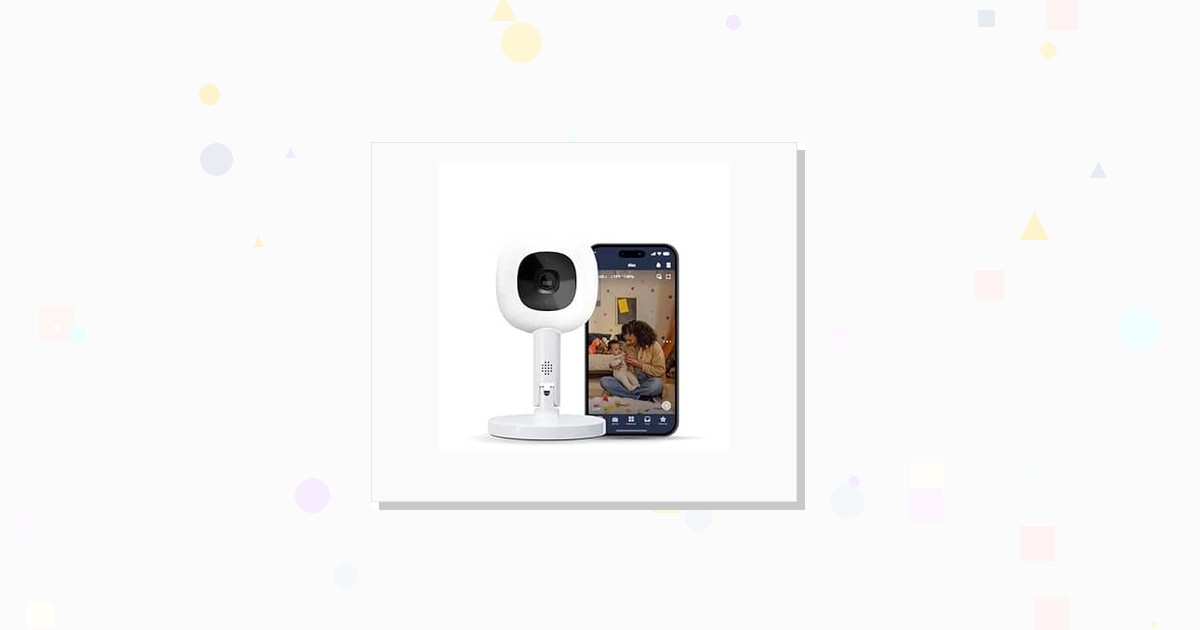
I really wanted to love the Nanit. On paper, it felt like the perfect baby monitor. Health insights. Breathing tracking. Sleep data. A clean design. It felt like the smart choice, especially during postpartum when anxiety can run high and you just want reassurance that your baby is okay.
But after living with it, I don’t think I would choose it again. And it surprised me how clear that became.
This isn’t a hate post. It’s just an honest look at what didn’t work for us and what I wish I had known before buying it.
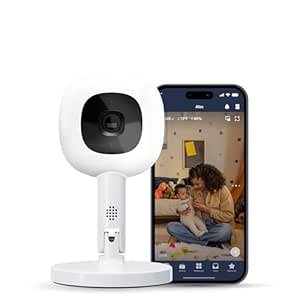
Nanit Pro Smart Baby Monitor
- 1080p video
- Sleep tracking
- Breathing monitoring
- Cloud storage
Pros: Beautiful design, detailed app. Cons: Privacy concerns, inaccurate room data, limited breathing feature use. Best for: Parents comfortable with cloud storage who want sleep analytics.
The Biggest Issue for Me: Privacy
This was the part that bothered me the most, and I didn’t fully understand it until after we were already using it.
All Nanit video footage is stored on Nanit’s cloud, even if you are on the free version. You don’t opt into that. It just is. For some people, that’s fine. For me, it felt invasive.
I didn’t love the idea that video of my baby sleeping, moving, and existing in her room lived somewhere outside of our home by default. Especially during the newborn phase when everything already feels so exposed.
Once I realized this, I couldn’t unfeel it.
The Temperature and Humidity Were Way Off
Another thing that slowly eroded my trust in the monitor was the room data.
The temperature readings were often five to seven degrees higher than what the room actually was. We checked against other thermometers and even the house thermostat. Same thing with humidity.
When you are trying to dress your baby appropriately for sleep, that matters. Instead of reassurance, it added another thing to second guess.
The Health Features Sound Better Than They Work
One of the biggest reasons I chose Nanit was the breathing monitoring. It felt like an extra layer of comfort, especially during postpartum anxiety.
Here’s the reality I wish I had known:
- You can’t use breathing monitoring with a newborn because they are swaddled
- Once baby transitions out of the swaddle, they are usually in a sleep sack
- Nanit’s breathing feature requires specific clothing or bands
- Their sleep sacks are not comparable to Kyte Baby
- The sleepers felt cheap and not something I wanted her wearing regularly
The feature I thought I would rely on most ended up barely being used at all.
The Sleep Analytics Didn’t Match Reality
I was excited about the sleep analytics. I liked the idea of seeing patterns, understanding wake times, and having a clearer picture of how she was sleeping.
But over time, it became clear the data wasn’t accurate.
The app would often say she was asleep when she was clearly awake, or mark her as awake when she was sleeping. The “put down at” time was frequently off, sometimes by a few minutes and sometimes by as much as ten to fifteen minutes. When you are trying to understand wake windows or build any kind of rhythm, that matters.
Instead of helping, the sleep data made me question what I was seeing in real life. During the newborn months especially, I already knew when she woke up because I was the one getting up with her. The analytics didn’t add clarity. They added doubt.
Once I stopped checking the app and focused on her cues instead, things felt calmer.
I Wanted Peace of Mind, Not More Inputs
Looking back, I think what I really wanted was reassurance, not information.
Between the cloud storage, inaccurate room readings, and unreliable sleep data, the Nanit added mental noise. For someone dealing with postpartum anxiety, that matters.
I wanted something that would fade into the background and let me rest. Instead, it gave me more things to think about.
What I’d Try Instead Next Time
If I were choosing again, I’d prioritize privacy, accuracy, and simplicity over advanced features.
Based on Reddit threads, TikTok reviews, and conversations with other parents, these are the monitors I’d be more likely to try:
Alternatives Worth Considering
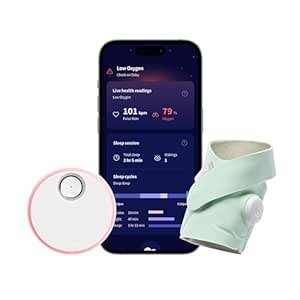
Owlet Dream Sock
FDA-cleared vitals tracking for postpartum peace of mind
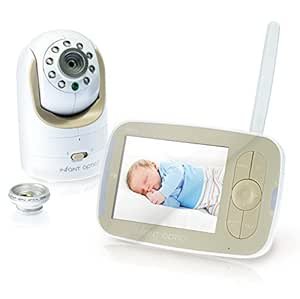
Infant Optics DXR-8
Closed system with no cloud storage
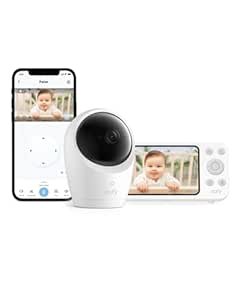
Eufy Baby Monitor E20
No WiFi option with reliable video
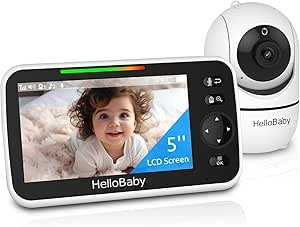
HelloBaby Monitor HB6550
No-frills monitor that just works
Owlet Dream Sock and Camera Often mentioned by parents managing postpartum anxiety. The sock offers real-time reassurance, which is what I was really looking for.
Infant Optics DXR-8 A favorite for parents who want a closed system with no Wi-Fi or cloud storage.
Eufy SpaceView Another non-Wi-Fi option praised for reliability and ease of use.
HelloBaby Monitor Simple, affordable, and not overengineered.
Sometimes less tech means more peace.
Final Thoughts
I don’t regret wanting a monitor that felt advanced. That instinct came from love and care and wanting to do everything right.
But if I were choosing again, I’d pick a monitor that prioritizes privacy, accurate basics, and how it actually feels to live with day to day. Especially during postpartum, when your nervous system is already stretched thin.
The best baby monitor is the one that lets you sleep a little easier.