

No one really talks about how emotional it can be to stop pumping. We spend months structuring our days around ounces, timers, pump parts, and mental math. Pumping becomes part of your identity, even when you never meant for it to.
For me, winding down from pumping was not a sudden decision. It was gradual, intentional, and shaped by knowing myself and my limits. It came with relief, grief, and a surprising amount of peace once I stopped fighting it.
This is what that process looked like for me and what helped, both practically and emotionally.
Realizing It Was Time
I was a just enougher from the beginning. We combo fed early on, and that was always part of our plan. I used Kendamil Whole Milk formula alongside breast milk because it felt like the closest option to breast milk and gave me flexibility from day one.
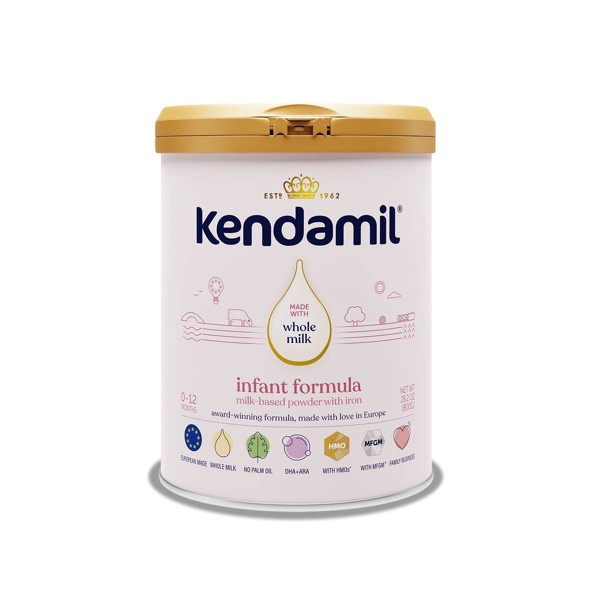
Kendamil Classic Infant Formula Powder
- Whole milk based
- European quality
- HMOs and prebiotics
- Grass-fed milk
Pros: Closest to breast milk composition, grass-fed whole milk, clean ingredients. Cons: Can be harder to find. Best for: Combo feeding families who want a premium formula option.
Being a just enougher meant I was feeding and pumping constantly. There was no buffer. No freezer stash to lean on. And as time went on, I realized that feeding, pumping, tracking, and mentally carrying all of that was not going to be sustainable for me long term.
I made a quiet decision early on. My goal was six months. Not because I did not love pumping, but because I knew what I could realistically give without burning myself out. Having an end point made everything feel more manageable.
My Actual Winding Down Process
I did not stop pumping overnight. I let my body lead and adjusted slowly over time.
Here is what my supply timeline looked like:
Weeks 0 to 12 About 7 to 8 pumps per day. This was survival mode. Frequent pumping helped establish supply, especially as a just enougher.
Week 12 Dropped to 6 pumps. This was the first shift where things felt more sustainable.
Week 16 Dropped to 5 pumps. By this point, combo feeding was fully integrated and felt normal.
Week 18 Dropped to 4 pumps. This was a noticeable mental shift. Pumping no longer ruled the entire day.
Week 20 Dropped to 3 pumps. At this stage, I was very intentional about comfort and listening to my body.
Week 22 Dropped to 2 pumps. I leaned into feeding without pressure and stopped worrying about exact output.
Week 24 Dropped to 1 pump. This felt emotional. One pump represented the closing of a chapter.
Week 26 Dropped to 0 pumps. I officially stopped pumping.
Taking it slow helped prevent clogs and gave me time to emotionally process each step. I never felt rushed, and I never felt like I was failing. I was simply transitioning.
Supporting My Body Along the Way
As I reduced pumps, I focused on comfort and prevention.
- I stayed hydrated.
- I wore supportive bras without compression.
- I used sunflower lecithin at the first sign of a clog.
- I paid attention to fullness instead of fighting it.

Legendairy Milk Sunflower Lecithin
- 1200mg softgels
- Sunflower-based
- 200 count
- Lactation support
Pros: Helped prevent clogs during weaning, easy to take daily. Cons: None. Best for: Moms winding down who want to prevent clogged ducts.
I learned that winding down works best when you respect your body instead of pushing through discomfort.
The Emotional Side I Did Not Expect
Even though stopping pumping was the right decision for me, I still felt grief. Pumping had been part of how I showed up for my baby. Letting go of it felt bigger than I expected.
At the same time, there was relief. Relief from alarms. Relief from planning my day around pump sessions. Relief from constantly thinking about output.
Both feelings existed together, and I let them.
Reframing Feeding
Combo feeding helped me reframe everything. Feeding stopped being about ounces and started being about nourishment and connection. My baby was fed, growing, and happy. That mattered more than how the milk got there.
Once I stopped tying my identity to pumping, the guilt loosened its grip.
What Helped Me Cope
A few things made this transition gentler:
- Having a clear but flexible goal
- Accepting that being a just enougher was not something to fix
- Using formula without guilt
- Staying off content that glorified oversupply
- Talking openly about the mixed emotions
- Trusting that my baby was thriving
I did not need to justify my decision. I only needed it to work for our life.
If You Are Thinking About Winding Down
If you are considering stopping or scaling back, know this:
You are allowed to protect your mental health. You are allowed to choose sustainability. You are allowed to set a goal and change it later.
Winding down does not erase the work you have already done. Every pump mattered. Every ounce mattered. And choosing yourself matters too.
Where I Landed
Winding down from pumping taught me that being a good mom does not mean holding on at all costs. Sometimes it means knowing when to let go.
I fed my baby. I met my goal. And I did it in a way that honored both of us. That feels like something to be proud of.